04 · Persian handwoven-carpet commerce
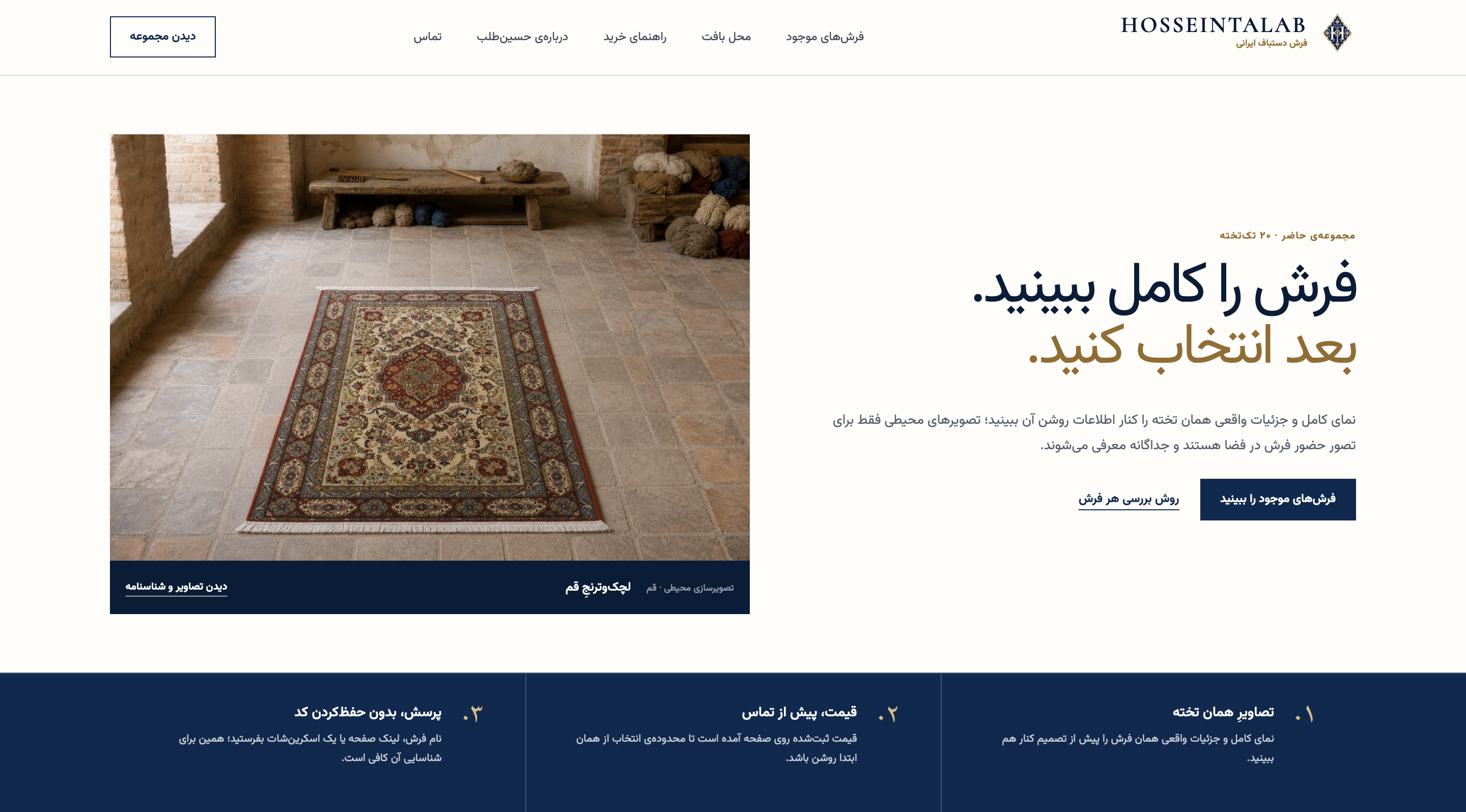
Hosseintalab
I took a multigenerational Tehran carpet business from an undefined online presence to a launched Persian storefront.
I led product strategy, catalog architecture, brand direction, Persian UX writing, interface design, frontend delivery, content standards, QA, and launch.
Why this product exists
Context
Hossein Talab is a family carpet business in Tehran's carpet bazaar with a long-standing offline reputation and experience in rare and export-quality carpets. That expertise was not represented in a coordinated digital product.
Product problem
A handwoven carpet is a unique, expensive item. Buyers need to inspect the exact piece, understand specialist attributes, compare price and condition, and know how to continue the purchase without being expected to speak like a carpet dealer.
Who it serves
People furnishing a home, collectors and antique buyers, interior designers, and customers who want specialist guidance before purchasing.
What good looked like
A customer can inspect one real carpet, understand its important facts and price, and contact the seller with enough context to continue the purchase.
What made it difficult
Unique inventory
Every carpet needs its own images, dimensions, origin, condition, price, and availability state; generic product templates are not enough.
Visual accuracy
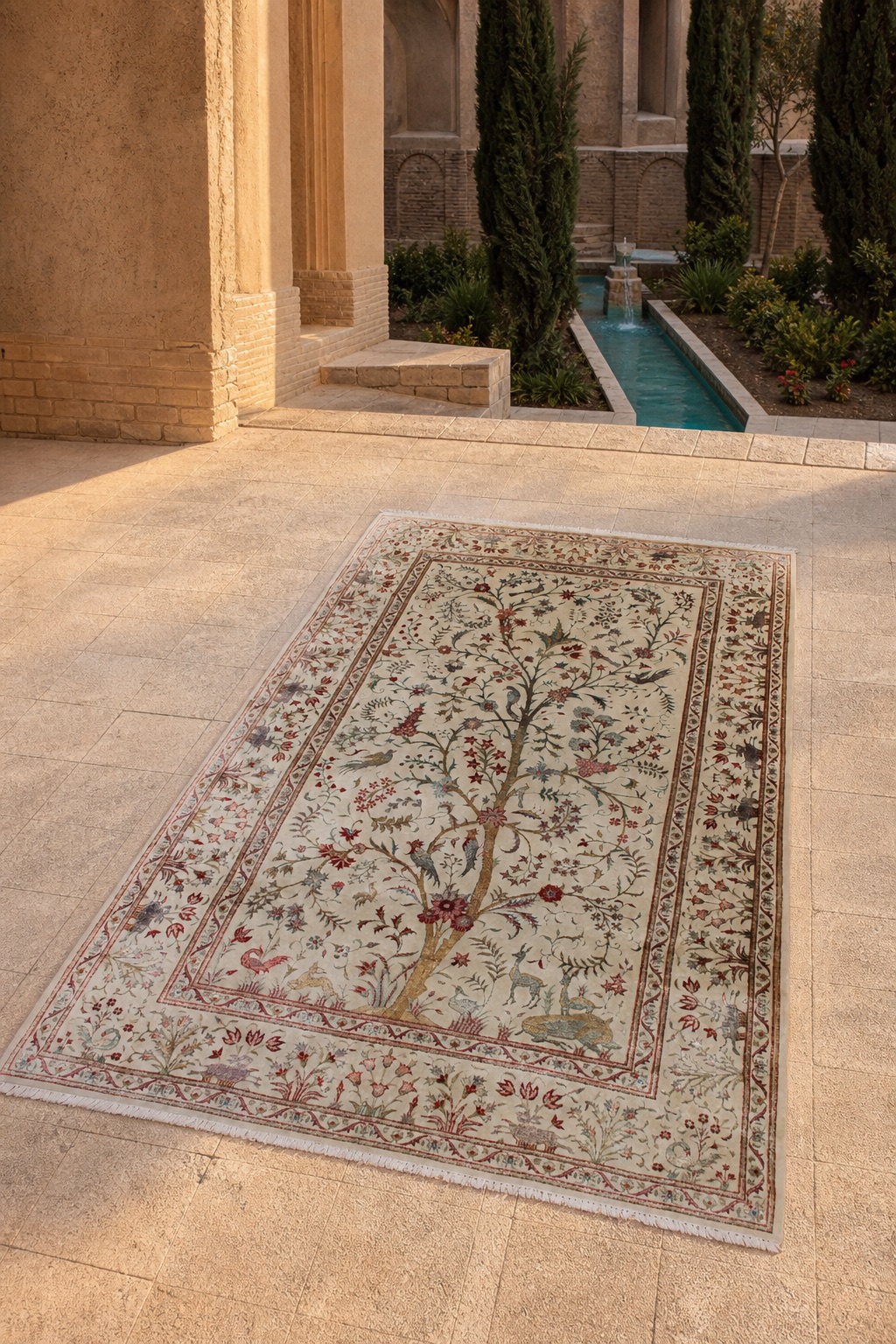
Context images can help with scale, but they must be clearly separated from documentary images of the actual carpet.
Specialist language
The product had to preserve real carpet terminology while explaining enough for a non-specialist customer to make progress.
Operational readiness
Publishing pages was only useful if the business could identify enquiries, confirm inventory, share further evidence, and coordinate visits or purchases.
What I built first, and why
- 1Shipped
Define the business and product
I worked with the owner to turn a broad request for an online presence into clear audiences, commercial paths, priorities, and an executable roadmap.
- 2Shipped
Structure the brand and catalog
I established the digital identity, Persian voice, product taxonomy, required product fields, photography rules, and the distinction between home and antique inventory.
- 3Live
Design and build the storefront
I designed the RTL journeys and implemented the responsive frontend, catalog controls, product records, buying guides, and consultation routes.
- 4Live
Publish real inventory and launch
The launch version went public with 20 individual carpets, visible prices, product photography, origin pages, and direct contact options.
The calls I had to make
Separate home and antique journeys
Residential selection starts with practical fit and appearance. Antique evaluation places more weight on authenticity, age, condition, restoration, and specialist consultation.
Show the complete piece first
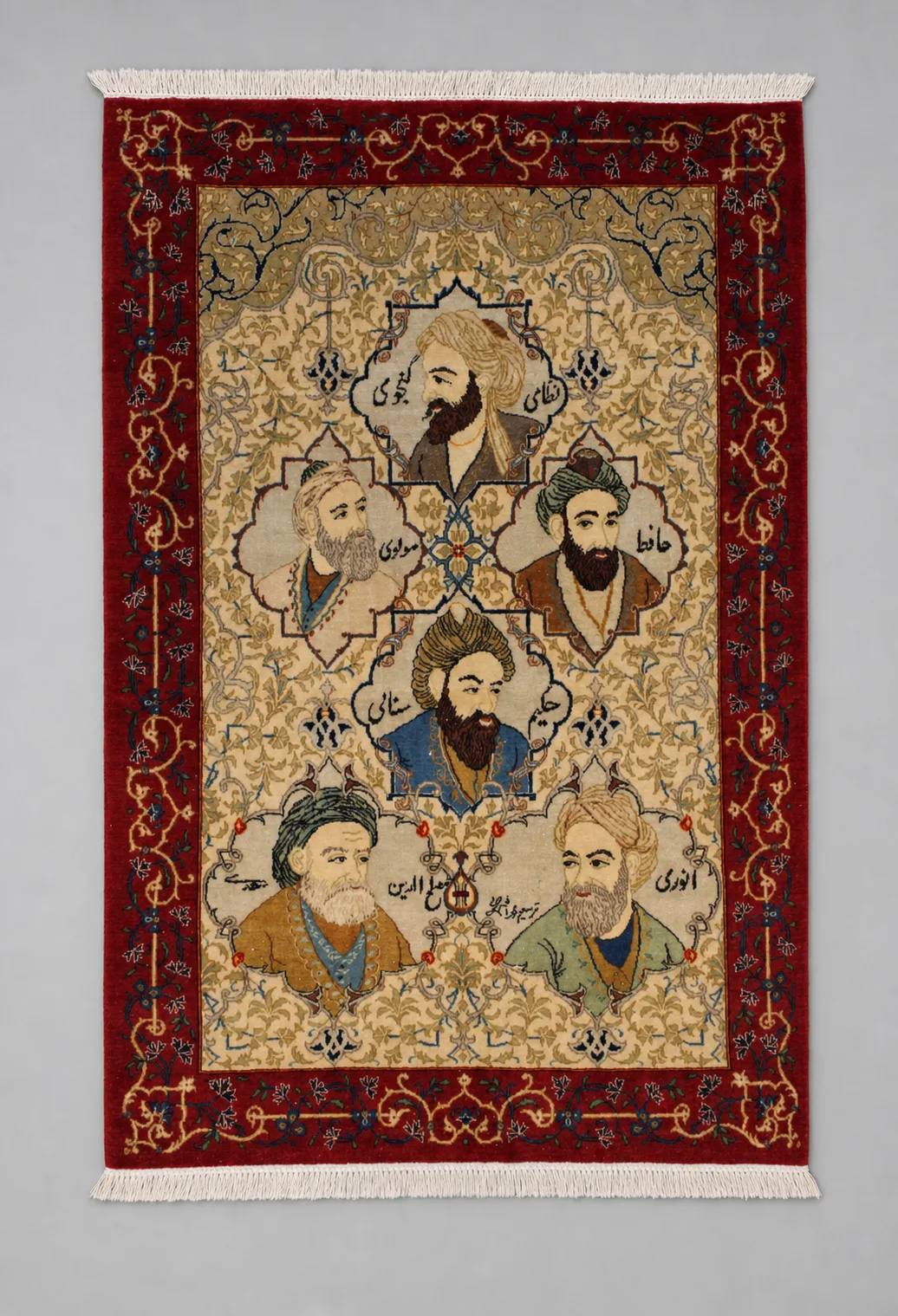
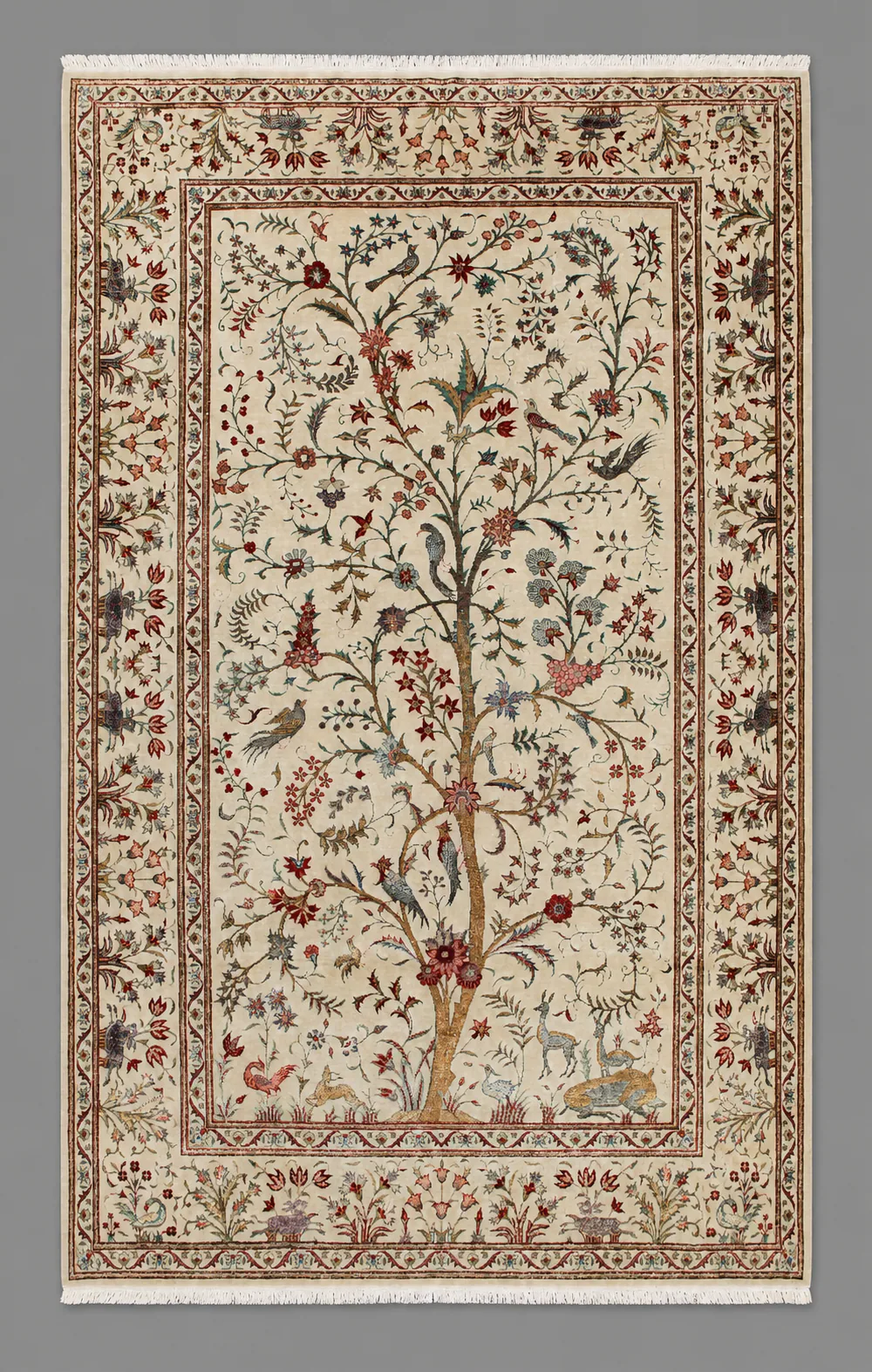
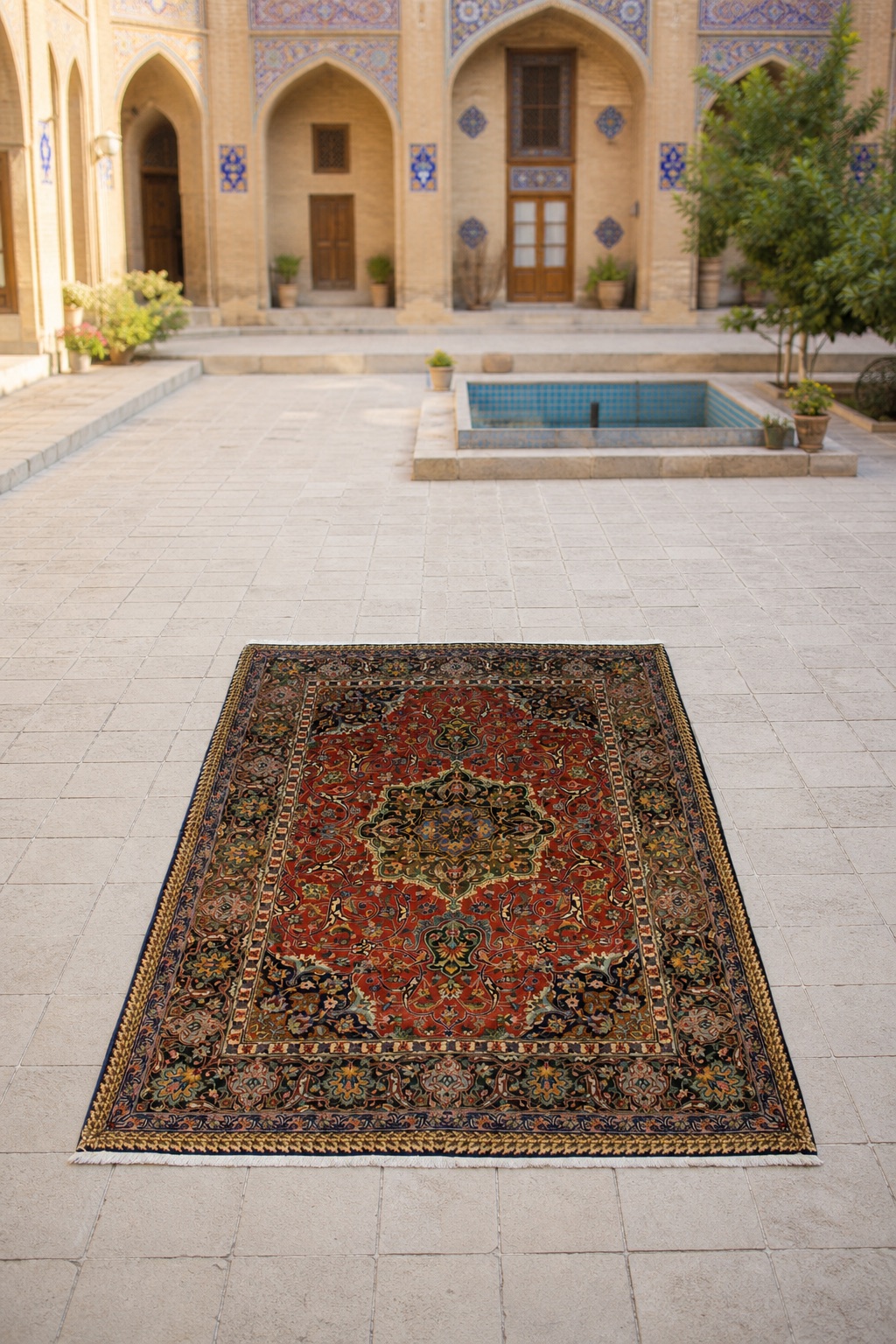
Every listing begins with a full, uncropped view of the actual carpet. Environmental imagery is labeled separately and never replaces the documentary record.
Publish price before contact
The catalog shows recorded prices directly so customers can define a realistic shortlist before speaking with the store.
Make consultation part of the journey
Customers can continue with a name, page link, or screenshot instead of memorizing an inventory code or completing a generic contact form.
How the system works
Discovery
Current collection, weaving-origin pages, guides, and home versus antique entry points.
Catalog
Search, origin filter, collection type, sorting, availability, and visible pricing across real inventory.
Product record
Full and detail photography, dimensions, origin, materials, age and condition notes, price, and unique identity.
Knowledge
Buying guidance and carpet terminology explain what customers should inspect before contacting the store.
Enquiry
WhatsApp, Instagram, phone, and store-visit routes preserve the context of the selected carpet.
What I personally owned
- Product strategy, launch scope, roadmap, Jira backlog, and stakeholder coordination
- Brand positioning, identity direction, Persian voice, and customer-facing content
- Information architecture, catalog taxonomy, customer journeys, UX/UI, and frontend implementation
- Product-data requirements, photography standards, image integrity, and launch content
- Responsive QA, accessibility, production validation, launch checks, and documentation
What you can inspect
A public catalog with real inventory
The launched site currently presents 20 individual carpets with searchable records, prices, origin data, product pages, and direct enquiry routes.
Decisions documented from strategy through launch
The repository, Jira project, decision records, roadmap, taxonomy, content guide, photography standard, and project journal connect product choices to delivery.
A documented boundary between evidence and illustration
The product treats the carpet as documentary evidence: environmental scenes are labeled, while motifs, borders, wear, damage, and colors of the actual piece are preserved.
Inside the product
Where it stands today
Hossein Talab is publicly launched with 20 real inventory records, product-detail pages, visible pricing, origin-based discovery, buying guidance, and direct consultation paths.
What I learned
- 01
For unique inventory, the product record has to be treated as evidence, not promotional decoration.
- 02
Specialist terminology can remain accurate while the journey begins with questions an ordinary customer can answer.
- 03
A consultation flow works better when it carries the exact product context into the conversation.